What Is the Serengeti Great Wildebeest Migration?
Many people call it the greatest wildlife show on Earth, and it is hard to argue.
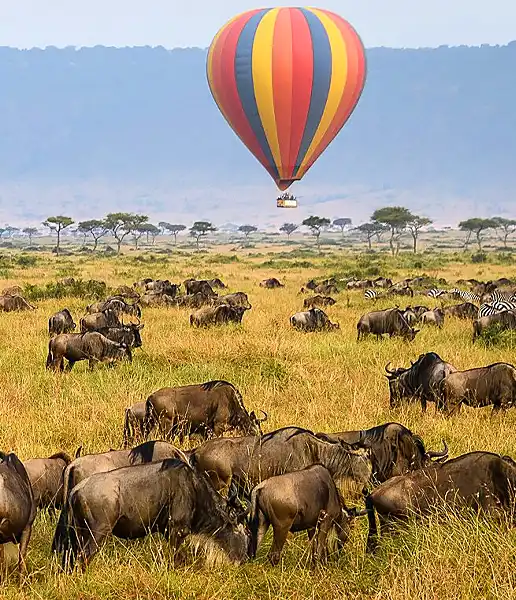
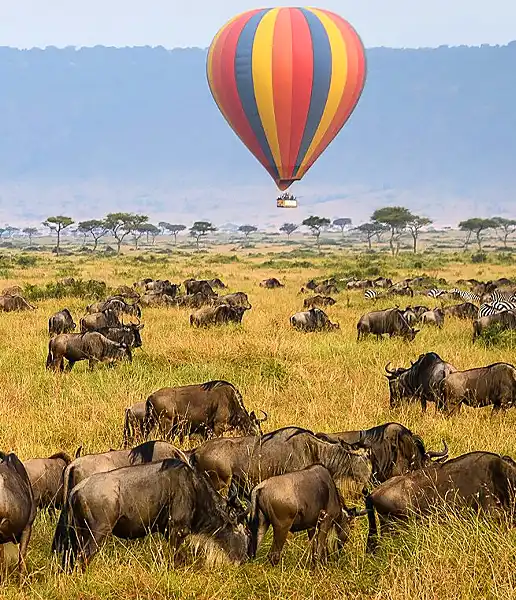
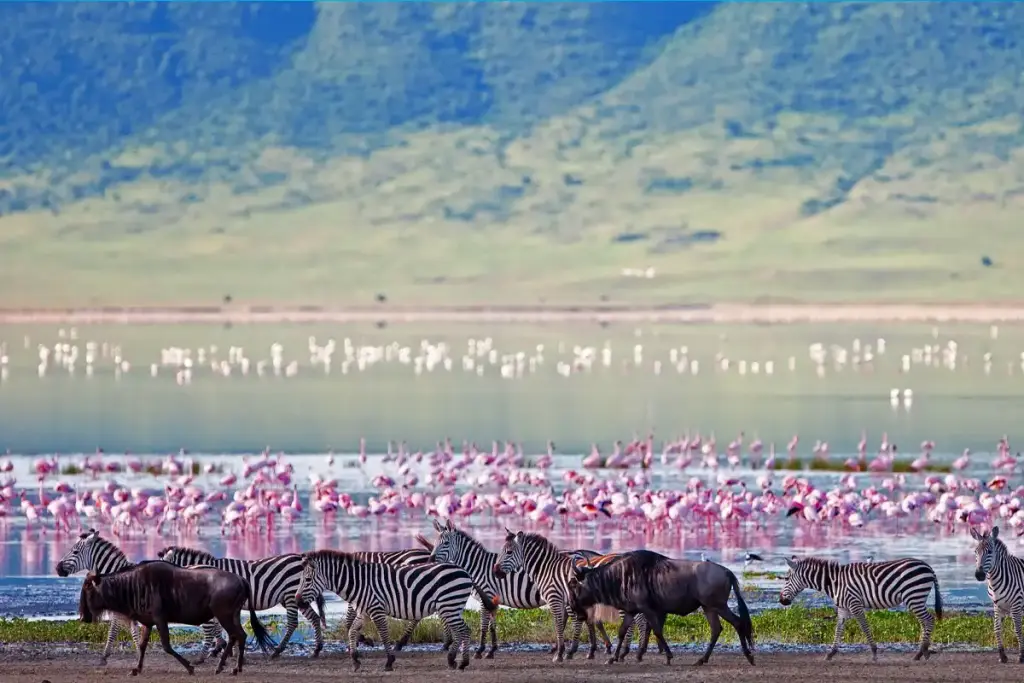
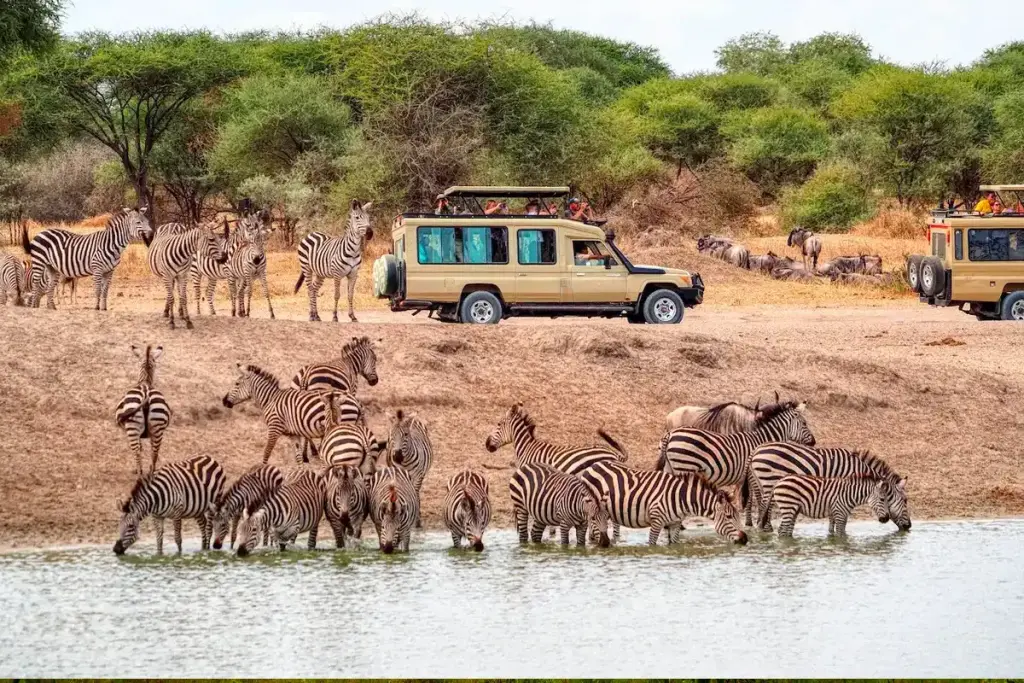
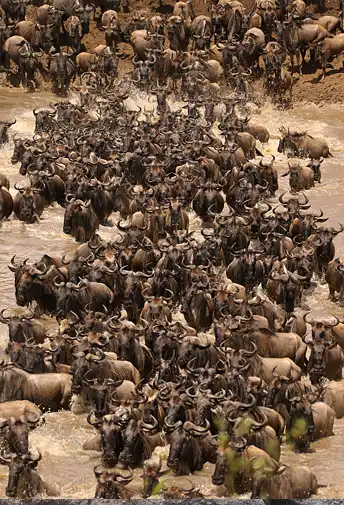
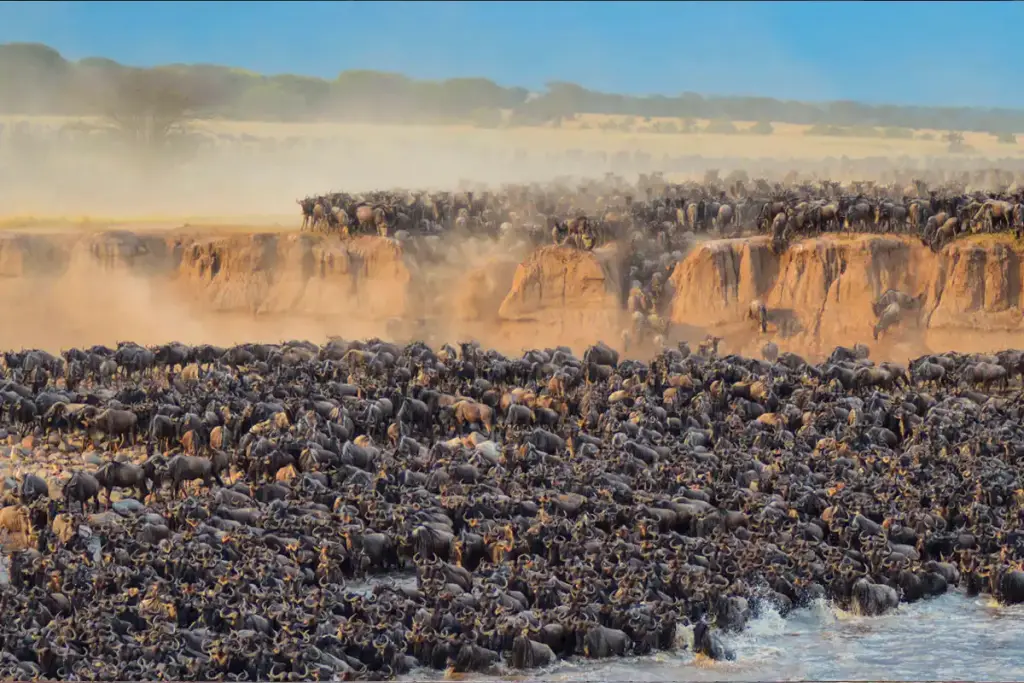
Over 1.5 million wildebeests, along with hundreds of thousands of zebras and gazelles, walk a huge clockwise loop through Tanzania’s Serengeti and Kenya’s Maasai Mara. They are following fresh grass and water. Along the way, you see birth, hunting and survival up close, all in the same few weeks.
The trek is long and dangerous for the animals, and watching it in person moves most people. If you love wildlife, it is hard to beat.
The migration calendar, month by month
Timing matters a lot if you want to be in the right place. This is how the migration usually moves through the year:
| Month | Location | What’s Happening |
|---|---|---|
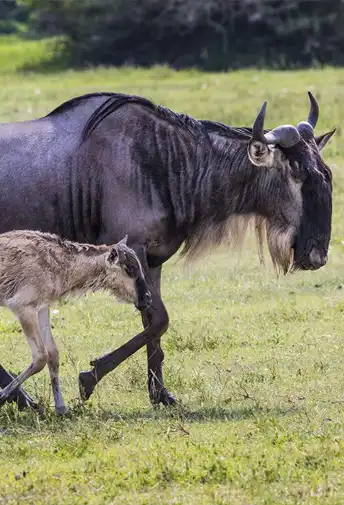
| Jan – Mar | Southern Serengeti (Ndutu area) | Calving Season – Over 500,000 calves born within a few weeks. Lots of predators around. |
| Apr – May | Central Serengeti | Herds slowly moving north. Green plains, fewer visitors. |
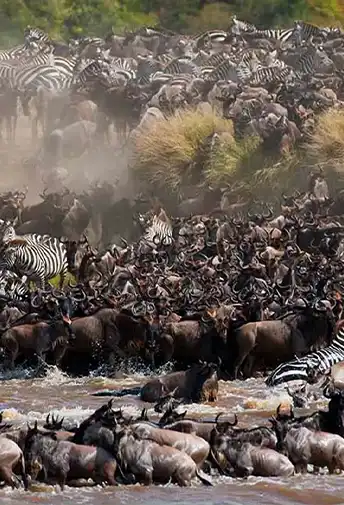
| June – July | Western Corridor | First major river crossings begin at the Grumeti River. Tense to watch. |
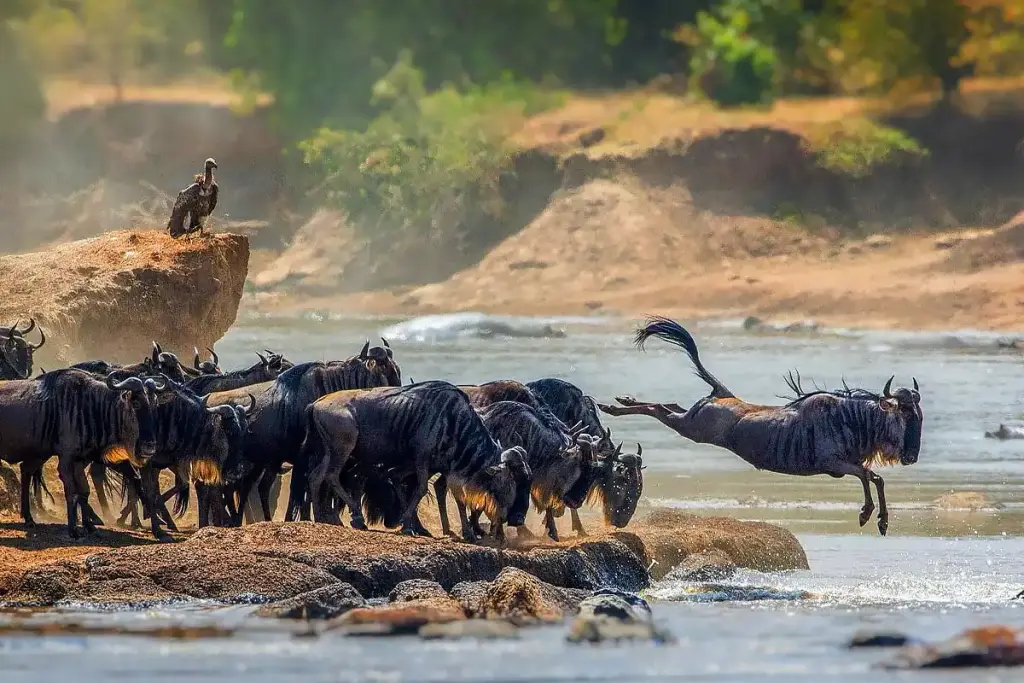
| Aug – Sept | Northern Serengeti / Maasai Mara | Mara River Crossings – the most dramatic and risky part of the migration. |
| Oct – Nov | Back south through eastern Serengeti | Herds regroup and head back. Very good big cat sightings. |
| Dec | Southern Serengeti | Back where the loop started. Calving starts again soon. |
Why the Great Migration is worth seeing: danger, drama and survival
For the animals this is no easy walk. Only the strongest make it.
-
Rivers full of crocodiles at every crossing.
-
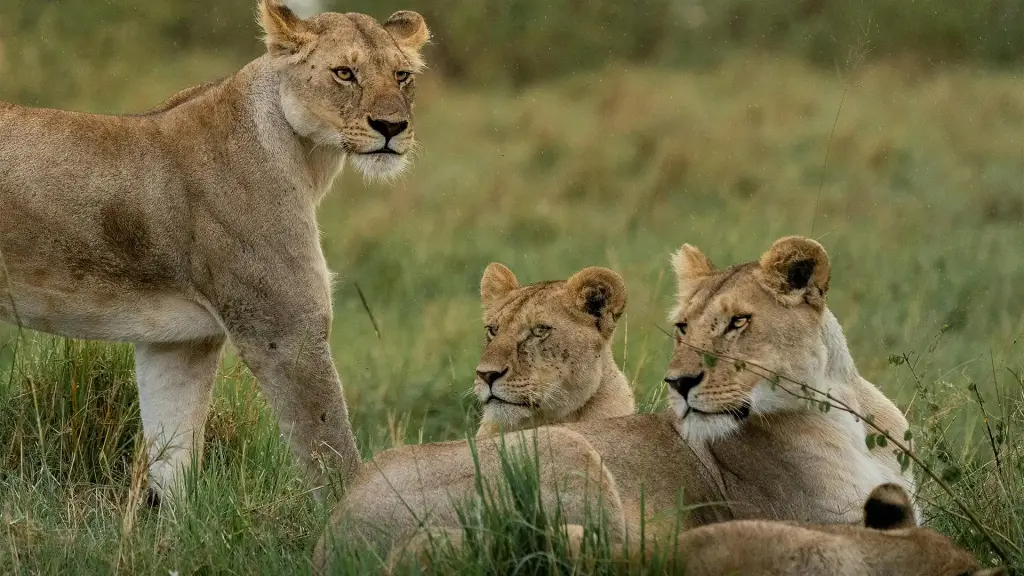
Lions and cheetahs waiting close by.
-
Stampedes, dust clouds and losses, day after day.
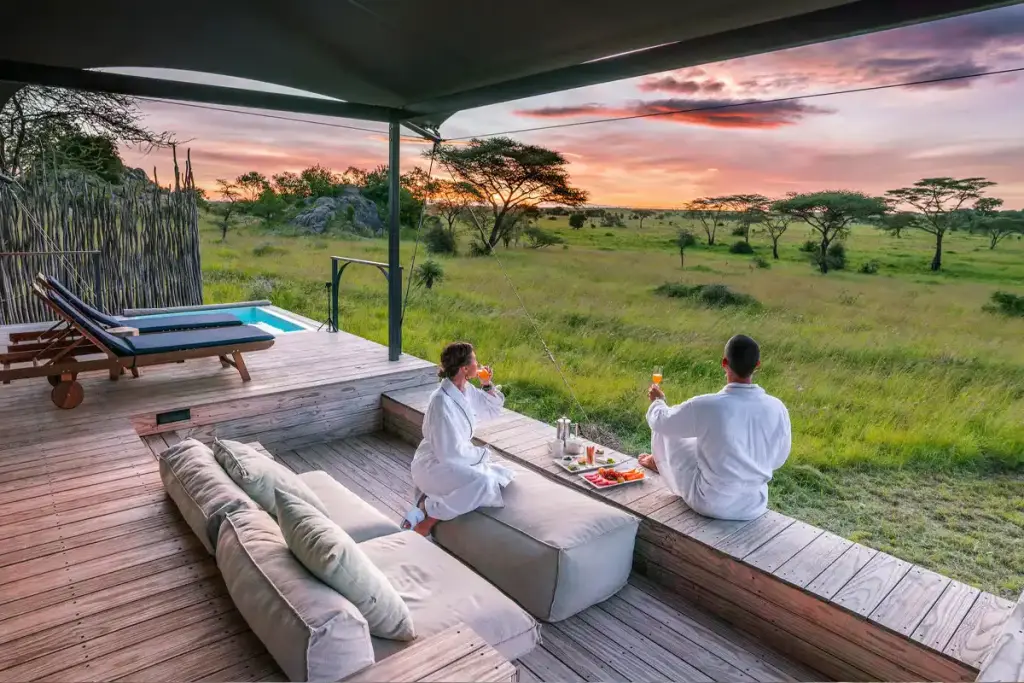
There are calm moments too. Thousands of animals moving as one, quiet evenings at sunset, and the feeling of sitting just meters from the action. Most guests find it humbling and talk about it for years.