



More than wildlife
Tanzania is home to more than 120 ethnic groups, and on a northern safari you drive through the lands of several of them. Most visitors see villages only through the vehicle window. A cultural safari makes time to stop, meet people and learn how they live alongside the parks.
Every trip on this page includes at least one cultural visit in its itinerary, with its cost in the price. The first list is trips built around culture; the second is safaris with a village visit on the way between parks.
The people you can meet
The Maasai
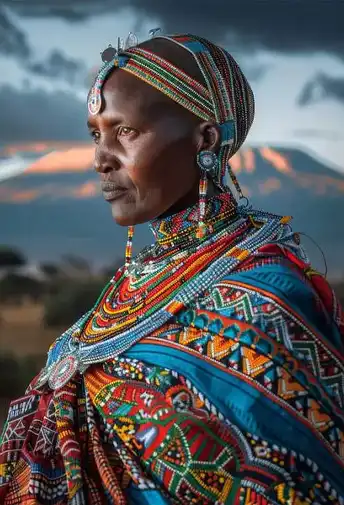
Maasai families raise cattle, goats and sheep across the plains and highlands of northern Tanzania, including the Ngorongoro Conservation Area, where people and wildlife share the land. A visit to a Maasai village usually means stepping inside a family home, hearing how the herds are managed and, often, watching the jumping dance. On some trips you can also try the beadwork the Maasai are known for.
The Hadzabe
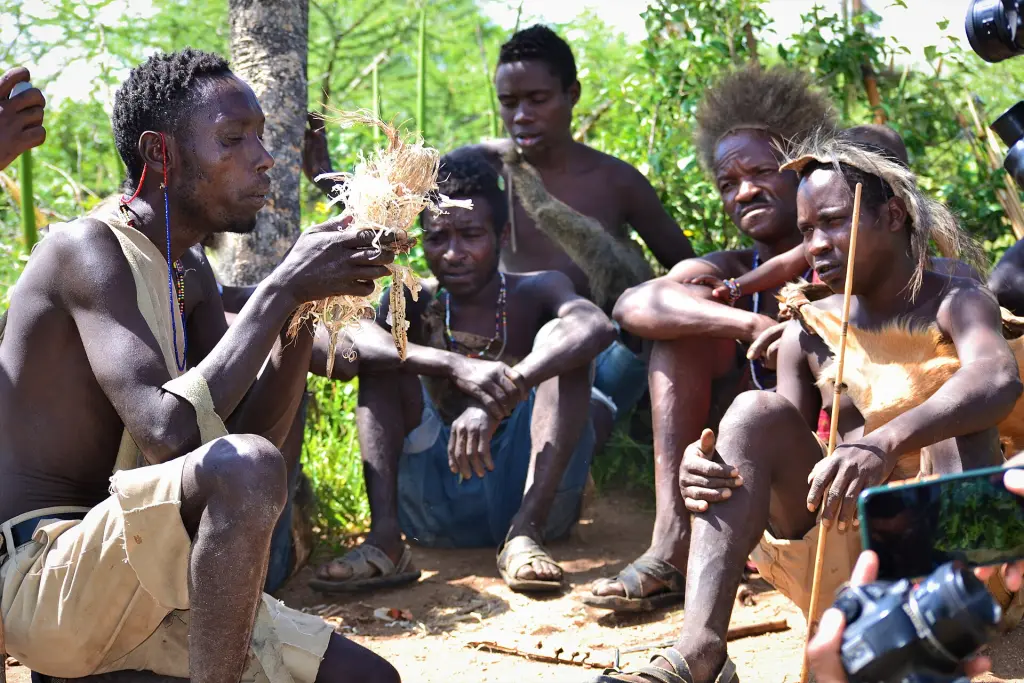
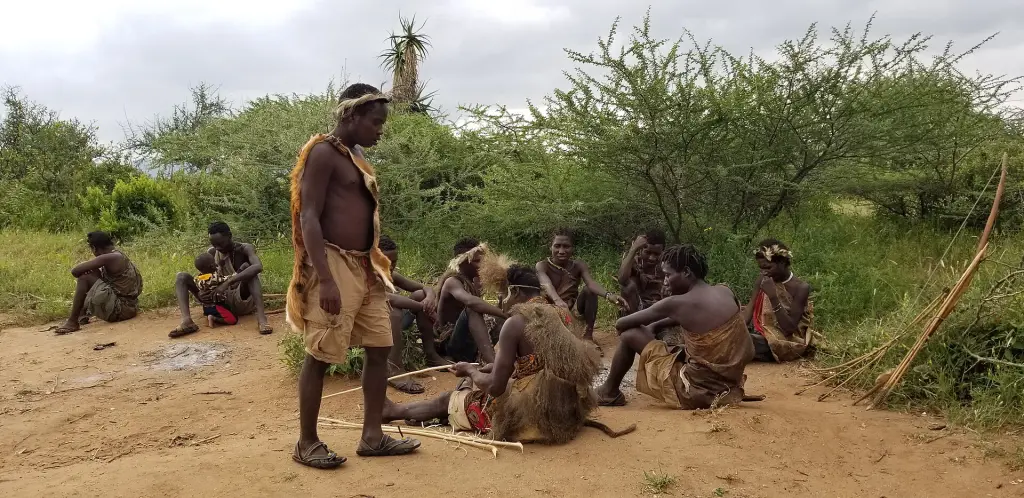
Around Lake Eyasi live the Hadzabe, among the last hunter-gatherers in Africa. Their language uses click sounds, and many still hunt with handmade bows and gather roots, berries and wild honey. On our Hadzabe trips a local Hadzabe guide stays with you, you join a hunt before dawn and learn bushcraft such as making fire. The hunt is real, so be ready for whatever the morning brings.
The Datoga
The Datoga are herders who also live near Lake Eyasi. Their blacksmiths melt down scrap metal and hammer it into arrowheads and bracelets, and depending on the family you visit, you may watch them at work.
The Chagga
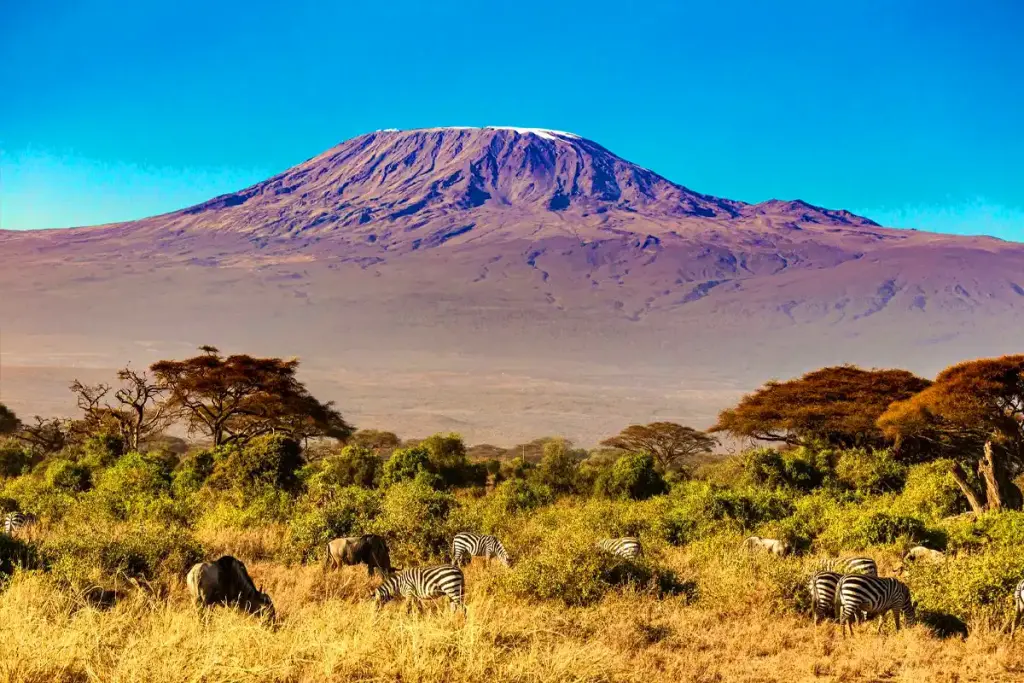
On the lower slopes of Kilimanjaro, the Chagga farm coffee and bananas on small family plots. At Materuni you walk through the farms to a waterfall, roast and grind coffee with a farmer, taste banana beer and share a home-cooked lunch.
Mto wa Mbu
At the foot of the Rift Valley escarpment, near Lake Manyara, Mto wa Mbu is a busy market town where people from many parts of Tanzania live and farm. Some of our trips tour it by bike or on foot with a local guide, past farms, workshops and the market.
Visiting respectfully
- Ask before taking photos of people, and accept a no. Your guide can ask for you.
- Follow your guide's lead on greetings, where to sit and when to move on.
- Dress modestly, with shoulders and knees covered, in villages and on Zanzibar, where most people are Muslim.
- Buy directly. If you want a souvenir, beadwork or carvings bought in the village support the people who made them.
Which trip to choose
- Two or three days from Arusha: the Hadzabe and Datoga visit or the longer Hadzabe cultural experience at Lake Eyasi.
- Culture and the parks together: the 8-day tour with the Hadzabe and Materuni or the conservation and community safari.
- On foot, by canoe and by bike: the walking, canoe and bike safari, with Mto wa Mbu by bike.
- One day: the Materuni waterfalls and coffee tour from Moshi or Arusha.
For the background, read our guide to Tanzania's culture, traditions and customs. Any safari can also be tailored to add more time with the people you meet.
Is it respectful to visit the Hadzabe?
It can be, if the visit is small, unhurried and led by people from the community. On our Hadzabe trips a local Hadzabe guide stays with you for the whole visit, and you join the day as it happens rather than watching a show.
Can I take photos in the villages?
Usually yes, but always ask first, and accept a no. Your guide can ask for you and will tell you if a moment is private.
How long is a village visit?
A Maasai village visit on a safari is a stop of an hour or two between parks. The Hadzabe, Datoga and Chagga visits take most of a day, and the Hadzabe trips spend one or two nights near Lake Eyasi.
What should I wear?
Light clothes that cover your shoulders and knees, and closed shoes for the Hadzabe hunt and for the walk to the Materuni waterfall, which follows narrow paths between the farms.
Is the cultural visit included in the price?
Yes, on every trip on this page the cultural visit is part of the itinerary and included in the price. Trips where a visit is only optional are not listed here.